
Skip to main content Scroll Top

It’s our nature to grow.

Projects

Each year the Port Commission adopts a capital improvement budget that supports the Port of Camas-Washougal’s mission to drive economic development, create jobs, promote commerce and provide recreational opportunities. These capital improvements include a wide range of projects, to include wetland mitigation and restoration, building construction, and continuing management of all port owned properties and facilities.

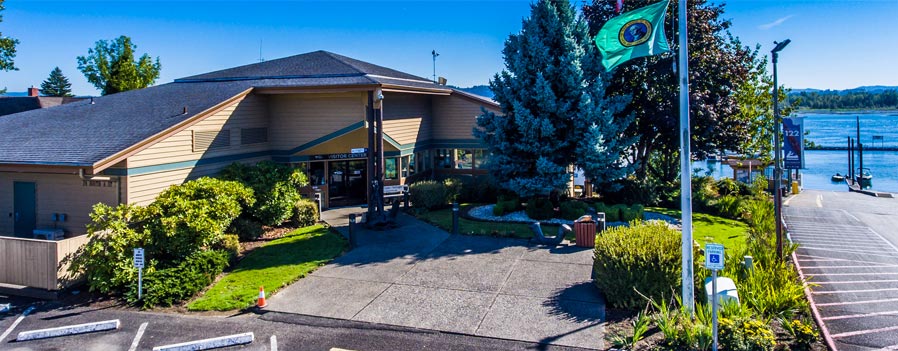
Marina
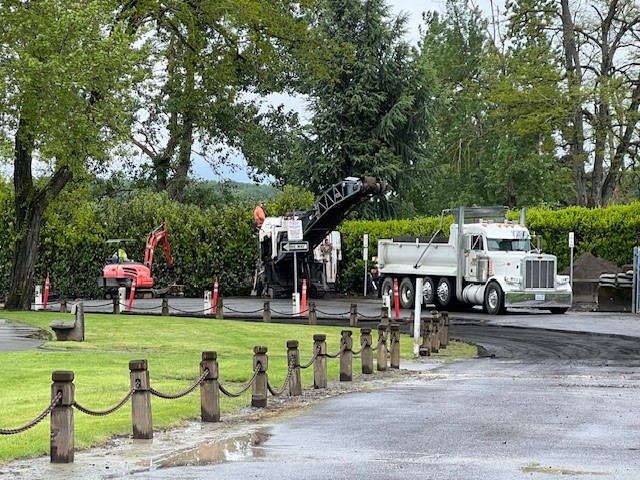
Lower Marina Access Road Paving

The Port will solicit bids from the small works roster to select a contractor that will remove and replace the existing asphalt surface. Construction is weather dependent and is anticipated to occur during the summer of 2026. To minimize disruptions, no work will occur during holidays or in conjunction with Port sponsored events. Marina tenants and the public will be notified once the contractor’s work schedule has been finalized. Funding for this project is provided through the Port’s capital budget.

Aquatic Plant Removal

The Port has contracted Marine Taxonomic Services, Ltd. (MTS), to remove nuisance aquatic vegetation from the marina, specifically Elodea canadensis (commonly known as American water weed or pond weed). This proactive effort is intended to improve navigation, water quality and overall marina conditions.

Divers will carefully remove the plants at the roots and use a suction system to transfer the vegetation to a collection container for disposal. Following the initial collection phase, MTS will perform period spot checks during the growing season to monitor conditions and address any regrowth as needed. Notifications will be provided to marina tenants and public once the project schedule has been finalized. Funding for this project is provided through the Port’s capital budget, supporting investments in the marina.

Airport

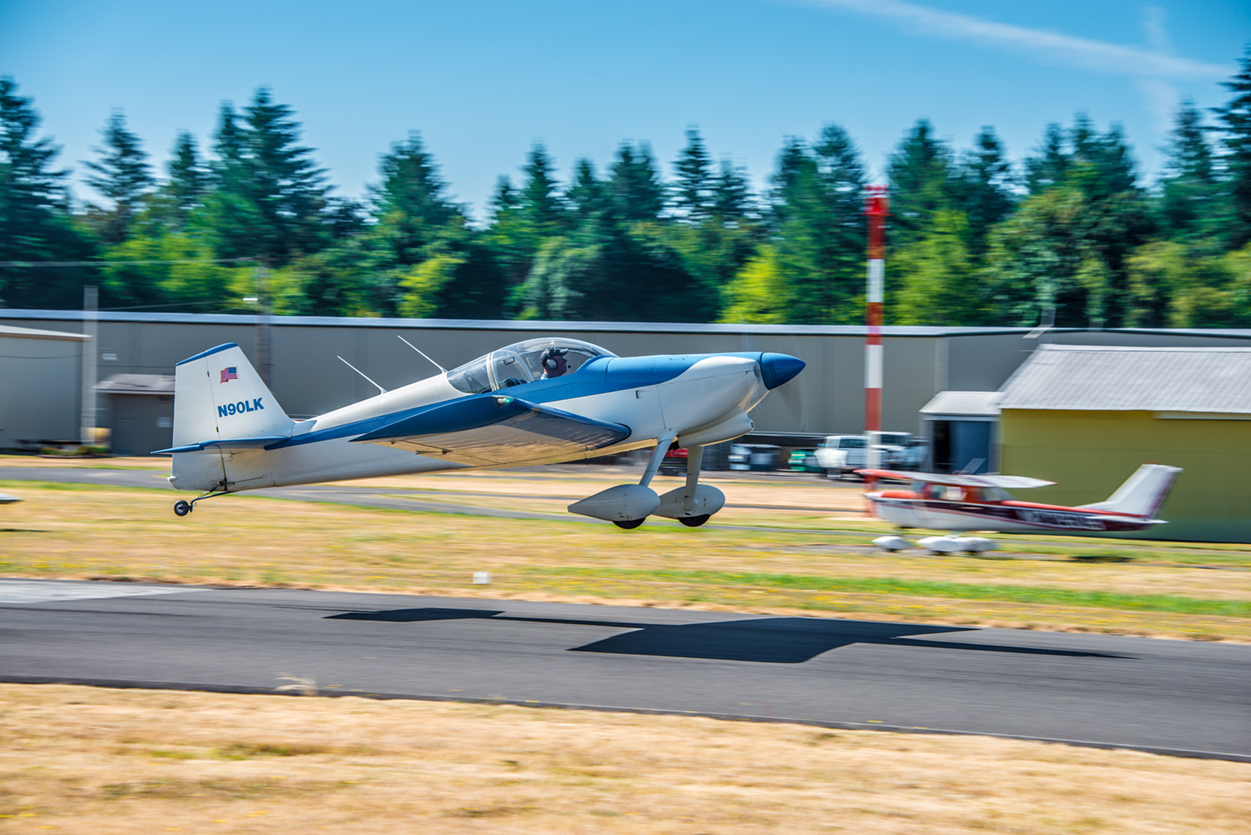
Grove Field Master Plan

Grove Field Airport began as a small airstrip in 1945 and became part of the Port of Camas-Washougal in 1961. Today, it’s home to a thriving aviation community with 77 Port-owned hangars, 23 privately owned condo hangars, 16 tie-down spaces for visiting aircraft, and a local flight school.

In summer 2026, Grove Field is expected to be added to the Camas Urban Growth Boundary, creating new opportunities to partner with the City of Camas on key infrastructure improvements. This collaboration will help strengthen Grove Field’s role as a community asset and a driver of local economic growth.

To prepare for the future, the Port will develop an Airport Master Plan. This plan will study current operations, infrastructure needs, and growth potential—providing a roadmap for future improvements that meet FAA standards, industry best practices, and align the Port’s economic goals with community priorities. The Airport Master Plan is being funded through the Infrastructure Investment and Jobs Act supporting long-term planning and strategic development of the airport’s facilities and infrastructure.

Industrial Park

SE 41st Street Preloading

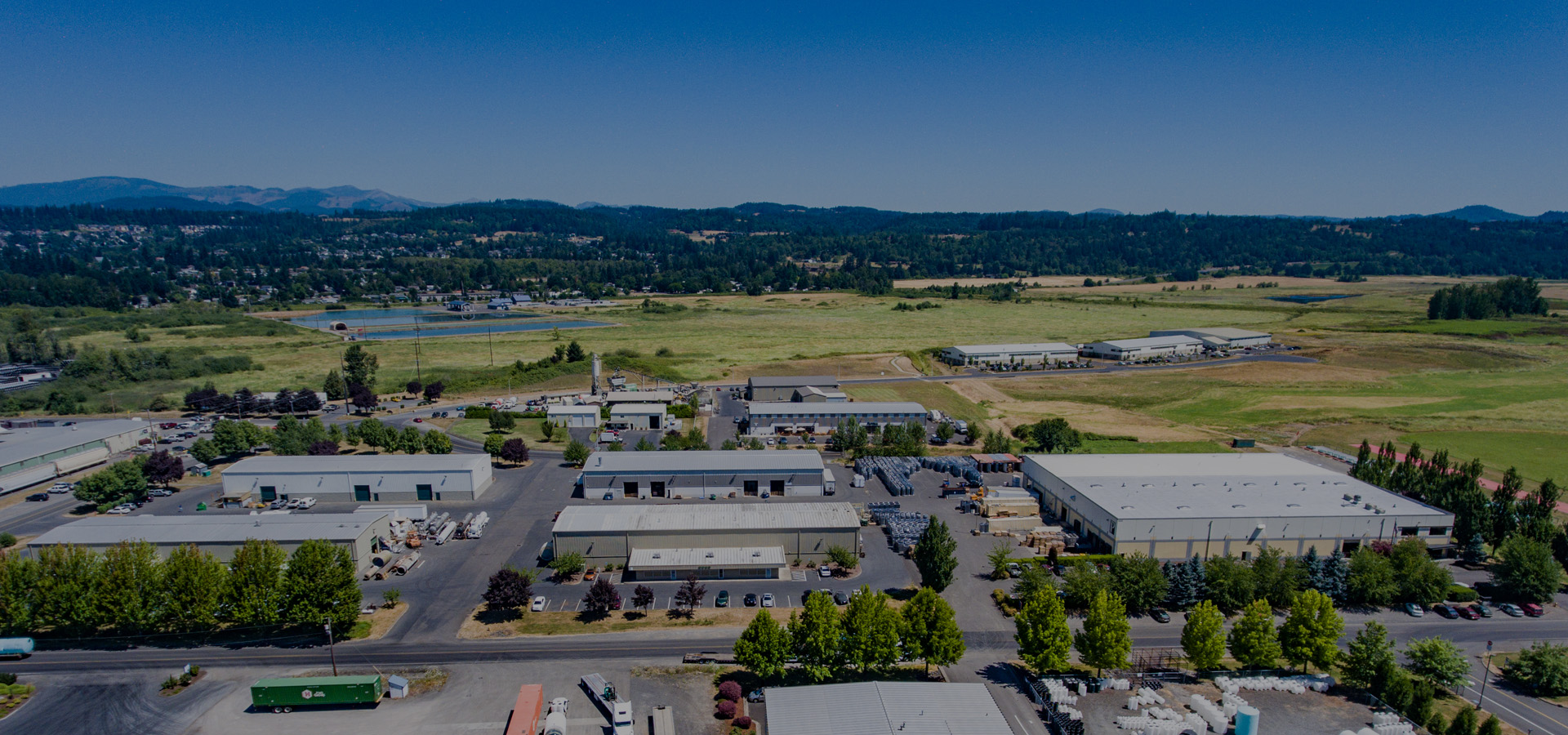
The Port plans to extend the success of its 300-acre industrial park by constructing SE 41st Street, an east-end roadway connecting Grant and South Lincoln Streets. This new connection will open approximately 19 acres of additional developable land and improve access throughout the park, while creating opportunities to incorporate industrial symbiosis and energy resilience into future infrastructure and operations.

Phase One is scheduled to begin in spring 2026 and will focus on preloading the future roadway area, followed by a monitoring period of approximately 6 to 12 months. Phase Two will construct the new roadway and related street improvements.

This project is funded through state legislative appropriations, demonstrating the State’s commitment to supporting strategic infrastructure investments and regional economic development.

Rail – 35th Street Crossing

Two sections of rail at the 35th Street crossing have been identified for further review. A 2022 rail survey noted loose joints in the surrounding asphalt, which may indicate that some rail ties need to be replaced. To ensure the most cost effective and appropriate solution, the project may be completed in phases. Port staff may first remove the asphalt around the affected areas to allow for a closer inspection oof the underlying rail and ties. This additional evaluation will help determine the full extent of any necessary repairs.

If only minor repairs are needed, the asphalt replacement would then be contracted separately following the completion of rail work. This phased approach allows for flexibility, helps control costs, and ensures the crossing is repaired efficiently and safely. Funding for this project is provided through the Port’s capital budget, supporting investments in the industrial park and rail system.

Washington State Clean Building Performance Standards

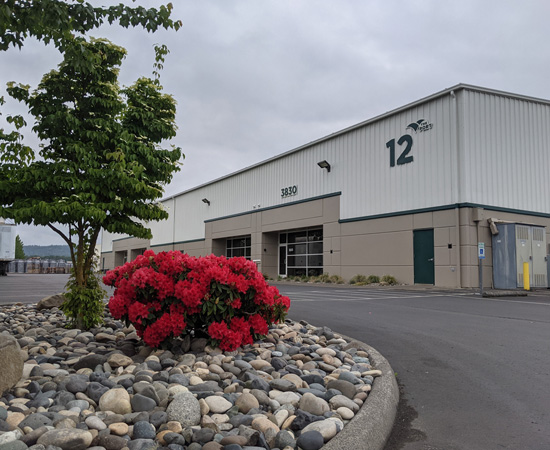
The Port will begin the process of complying with Washington State’s Clean Building Performance Standards (CBPS), Tier 2. Tier 2 applies to buildings with a total floor area between 20,000 and 50,000 square feet. Seven Port-owned buildings fall within this range. Building owners are required to implement benchmarking, energy management plans and operations and maintenance programs.